Plitvice Lakes

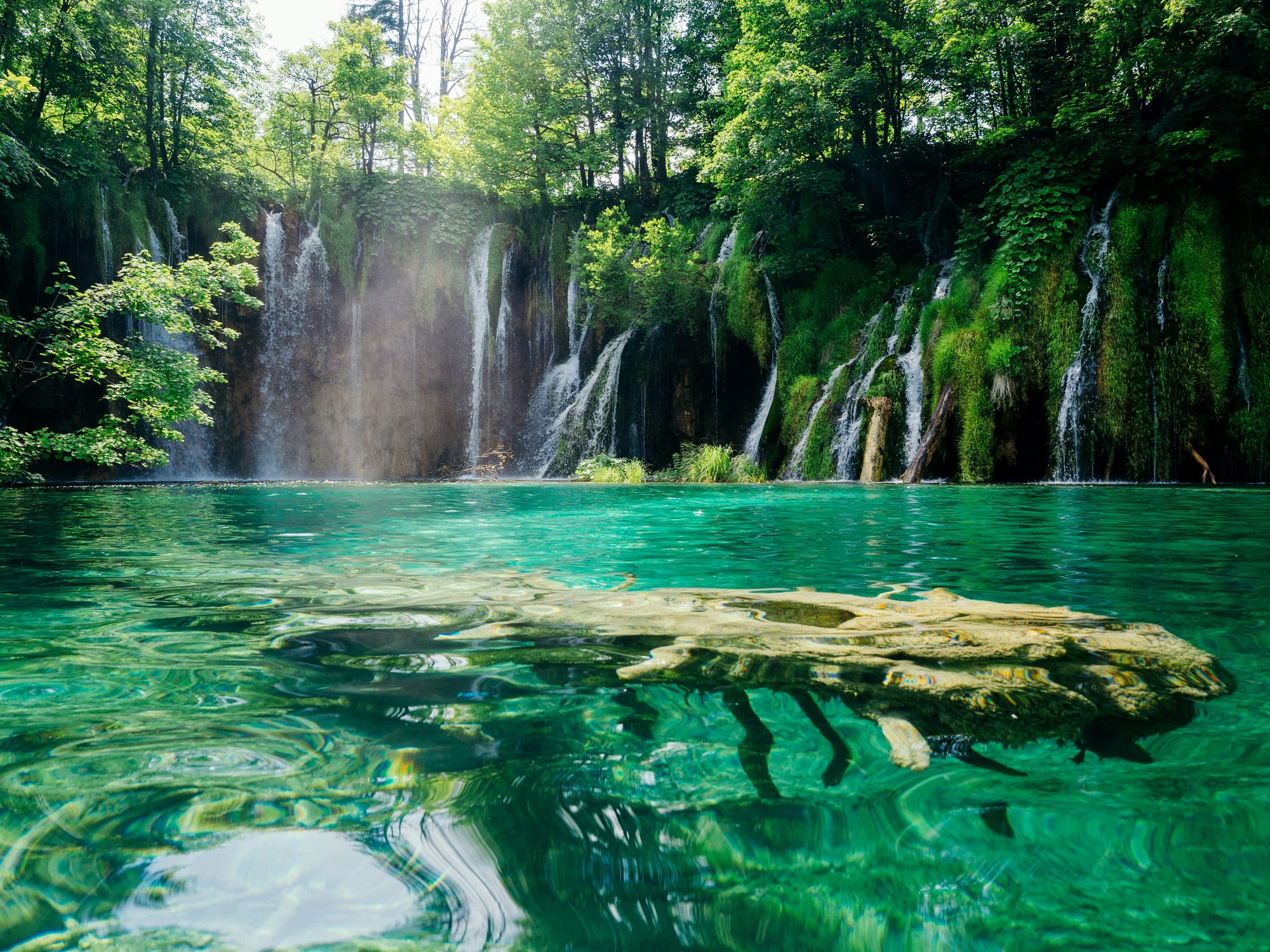
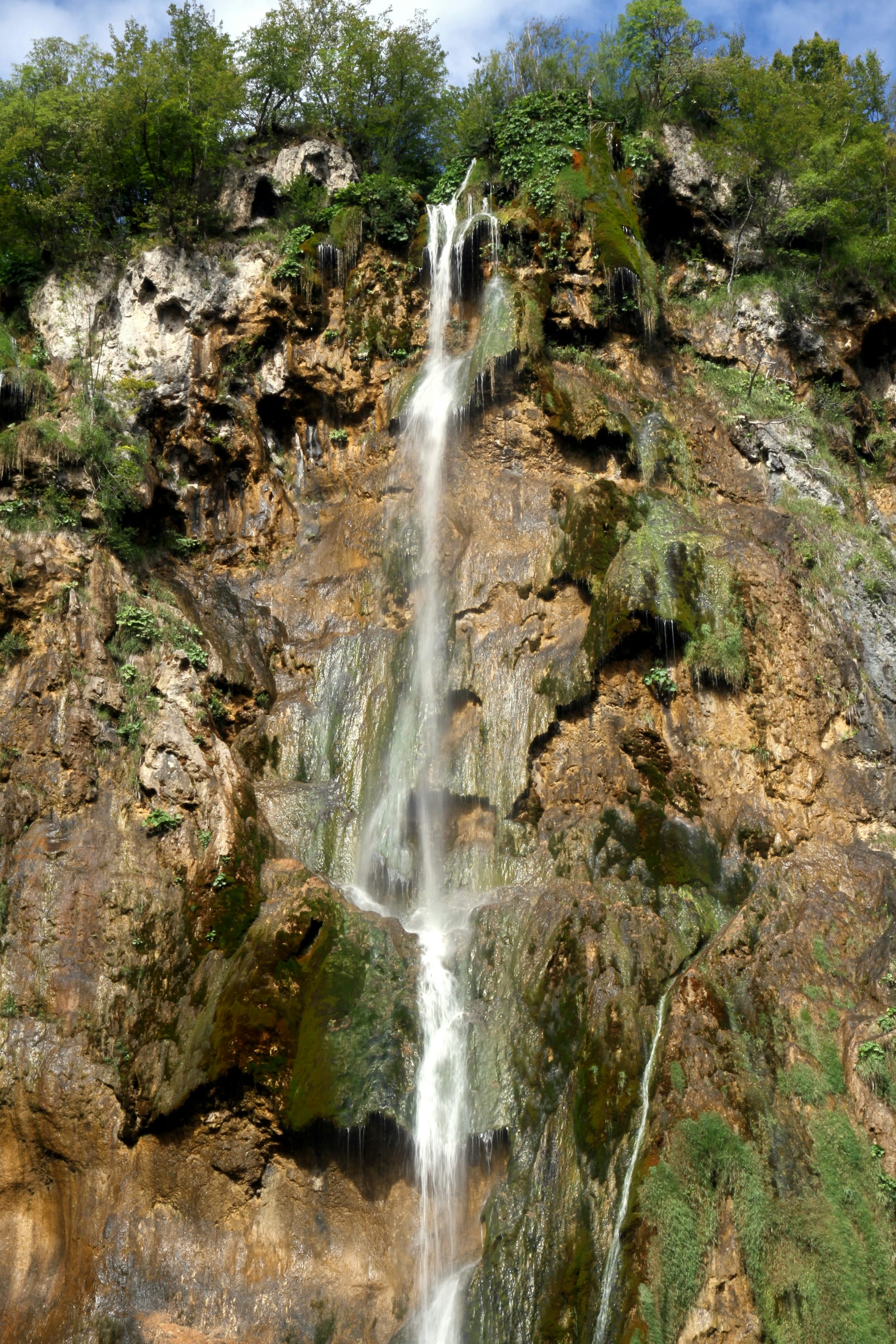
Deep within the forested karst landscape of central Croatia, Plitvice Lakes National Park is one of the most mesmerizing natural landscapes in Europe. Sixteen terraced lakes, formed over millennia by mineral-rich water flowing over limestone, cascade into one another through a series of waterfalls, connected by natural travertine dams that continue to shift and grow with every passing year.
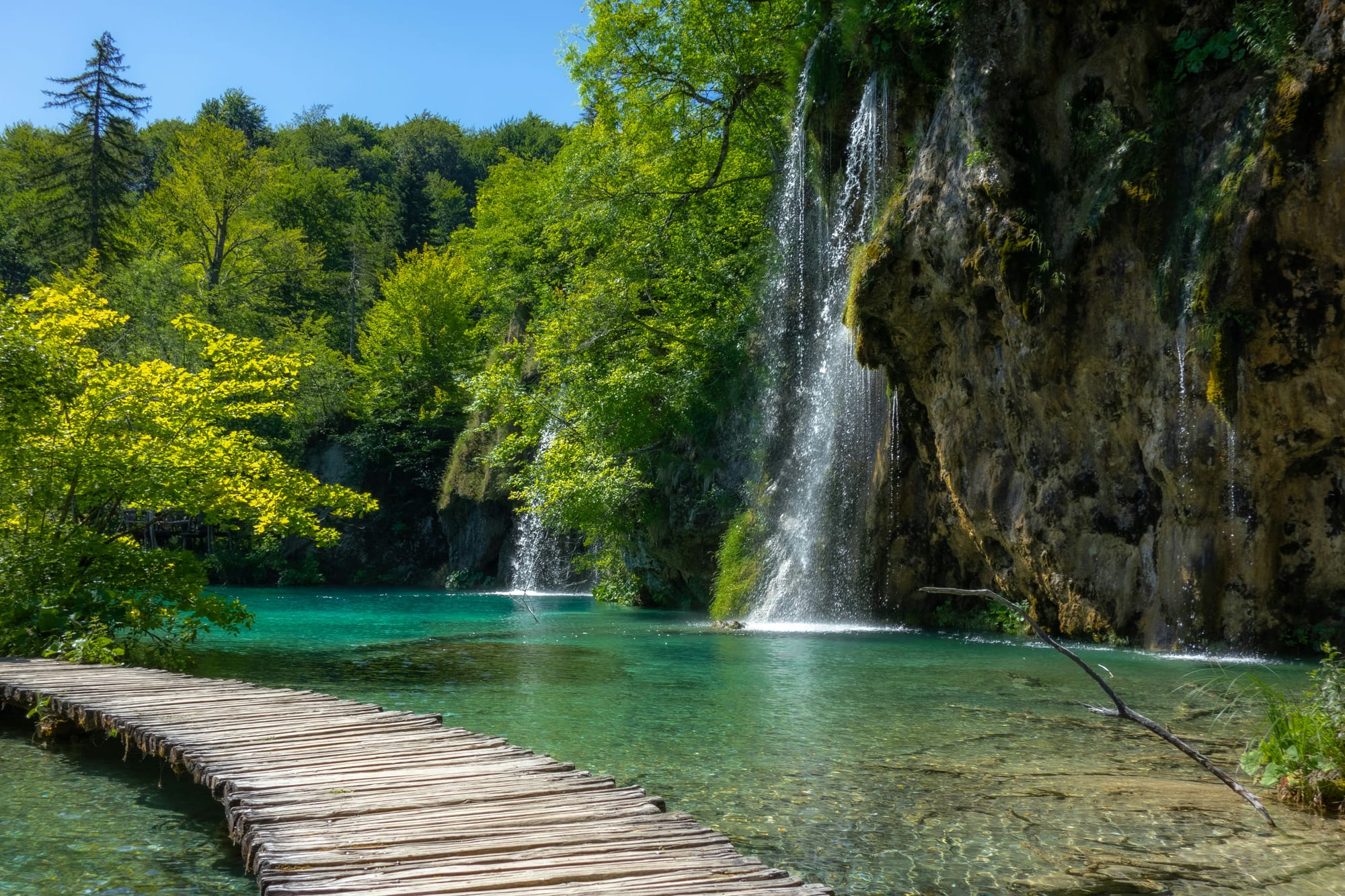
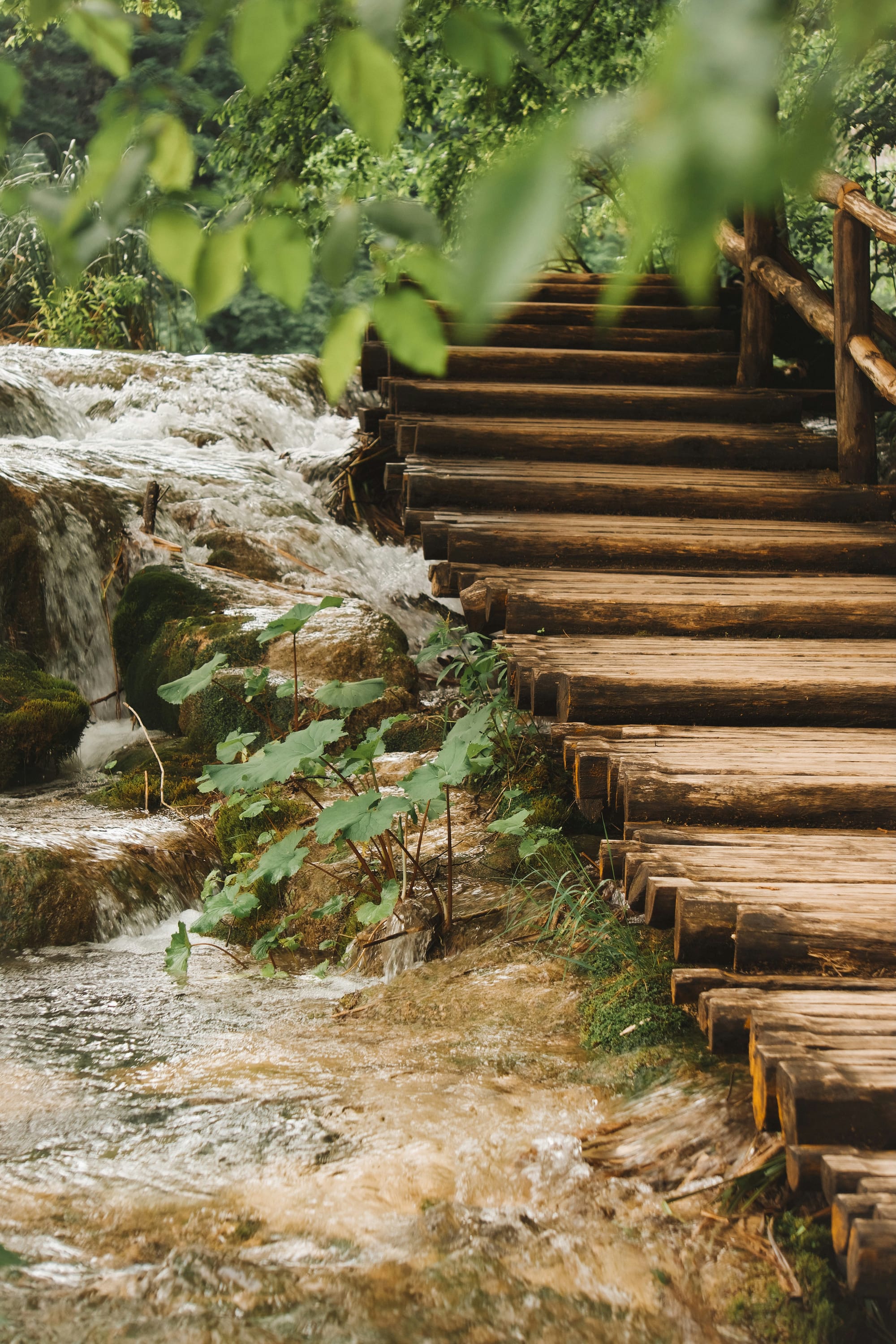
The lakes are famous for their extraordinary range of colors, shifting between shades of turquoise, emerald, and deep blue depending on the mineral content, angle of sunlight, and organisms living within the water. Wooden boardwalks and footbridges weave directly across and above the water, allowing visitors to walk within meters of crystal-clear pools teeming with trout, offering an intimate, immersive way to experience the park.
As Croatia's oldest and largest national park, and a UNESCO World Heritage Site since 1979, Plitvice is divided into Upper and Lower Lakes, each offering a distinctly different character — the Upper Lakes framed by dense beech and fir forest, and the Lower Lakes carved into a dramatic limestone canyon with steeper cascades. The park's largest waterfall, Veliki Slap, plunges 78 meters and marks one of the most dramatic points along the trail.
Whether exploring by boardwalk, electric boat across the largest lake, or panoramic train between sections, Plitvice Lakes offers an unforgettable immersion into one of the most vividly colored natural wonders in all of Europe.
Visitor Information
Best Time to Visit
May – June and September – October (lush greenery, comfortable temperatures)
Location
Plitvice Lakes National Park
Region
Lika-Senj / Karlovac County
Country
Croatia
Continent
Europe
Opening Hours
7 AM – 8 PM (seasonal variations)
Admission
Park entrance fee required
Typical Visit Duration
1 day