Salar de Uyuni

High in the Bolivian Andes, at an elevation of over 3,650 meters, lies Salar de Uyuni, the largest salt flat on Earth. Stretching more than 10,000 square kilometers, this otherworldly landscape was formed when a prehistoric lake evaporated thousands of years ago, leaving behind an eight-meter-thick crust of blindingly white salt.
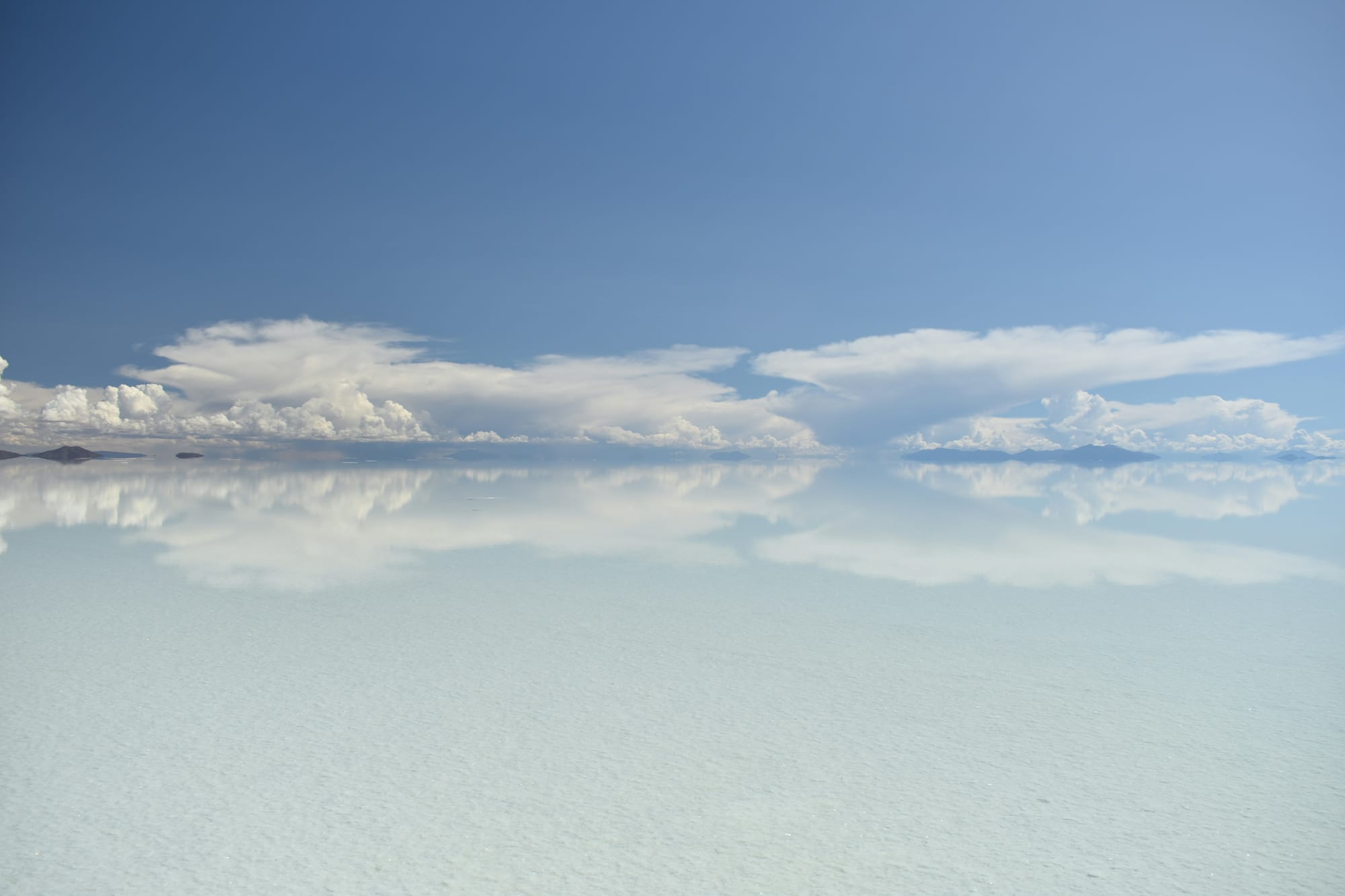
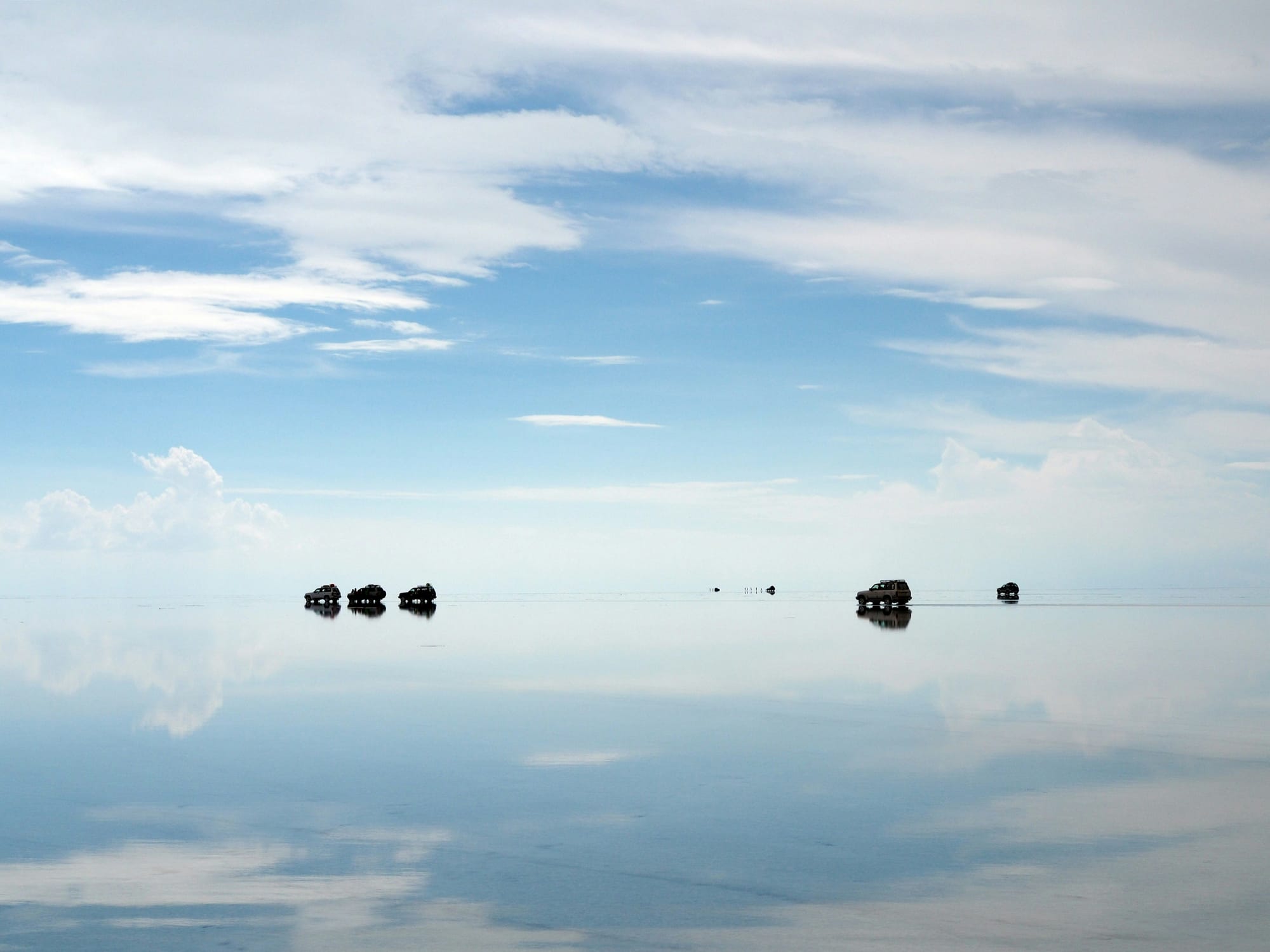
During the dry season, the salar cracks into vast hexagonal patterns stretching endlessly toward the horizon, creating one of the most surreal landscapes on the planet. But it's during the rainy season, from December to April, that Uyuni transforms into something even more extraordinary — a thin sheet of water turns the entire flat into the world's largest natural mirror, perfectly reflecting the sky and erasing the line between earth and horizon.
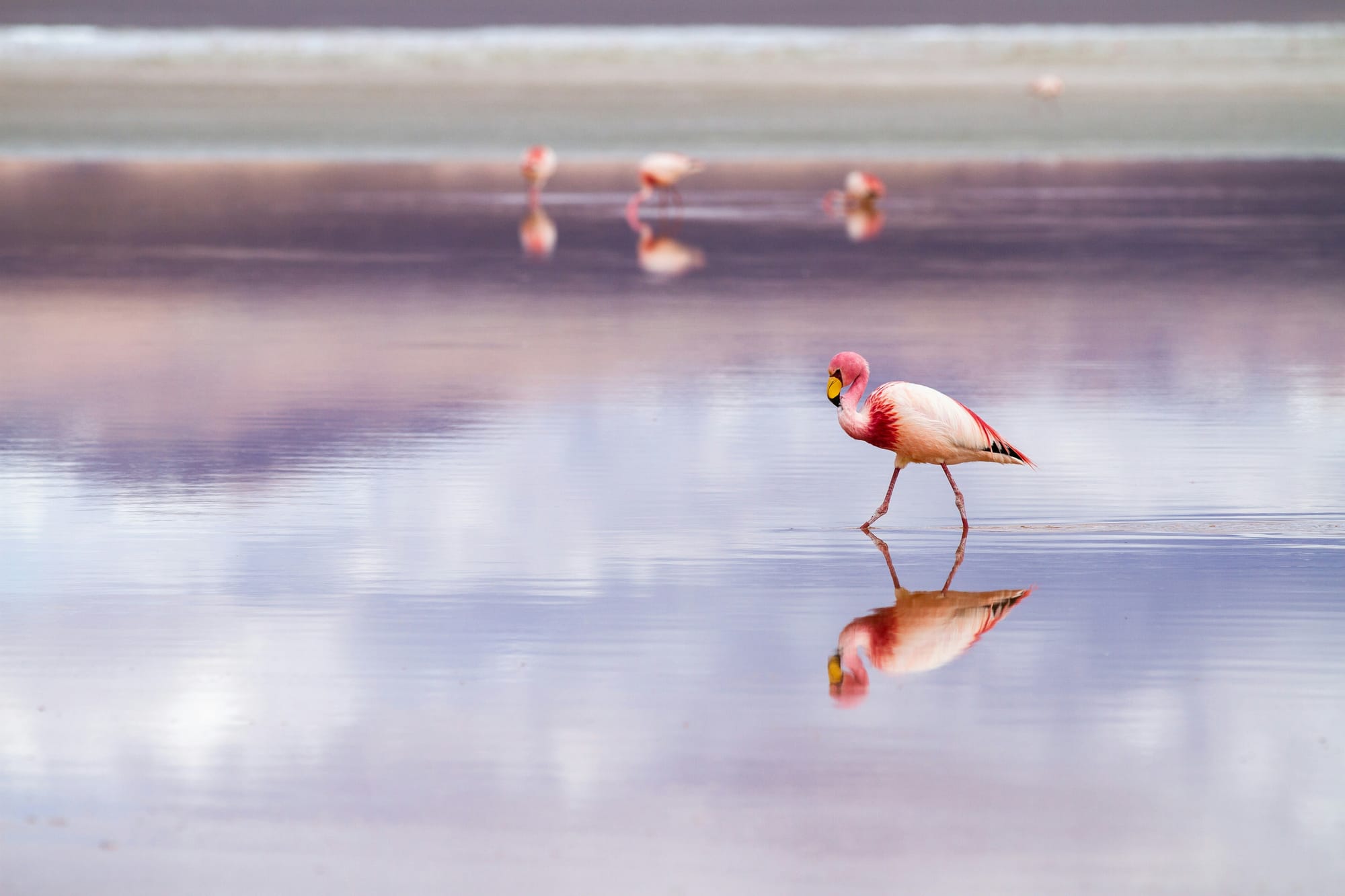
Scattered across the salar are curious landmarks, including Incahuasi Island, a rocky outcrop covered in centuries-old giant cacti rising from the pure white salt like a mirage. Nearby, the flamingo-filled lagoons of the Bolivian Altiplano add splashes of vivid pink against the stark white and blue backdrop of the salt desert and distant volcanoes.
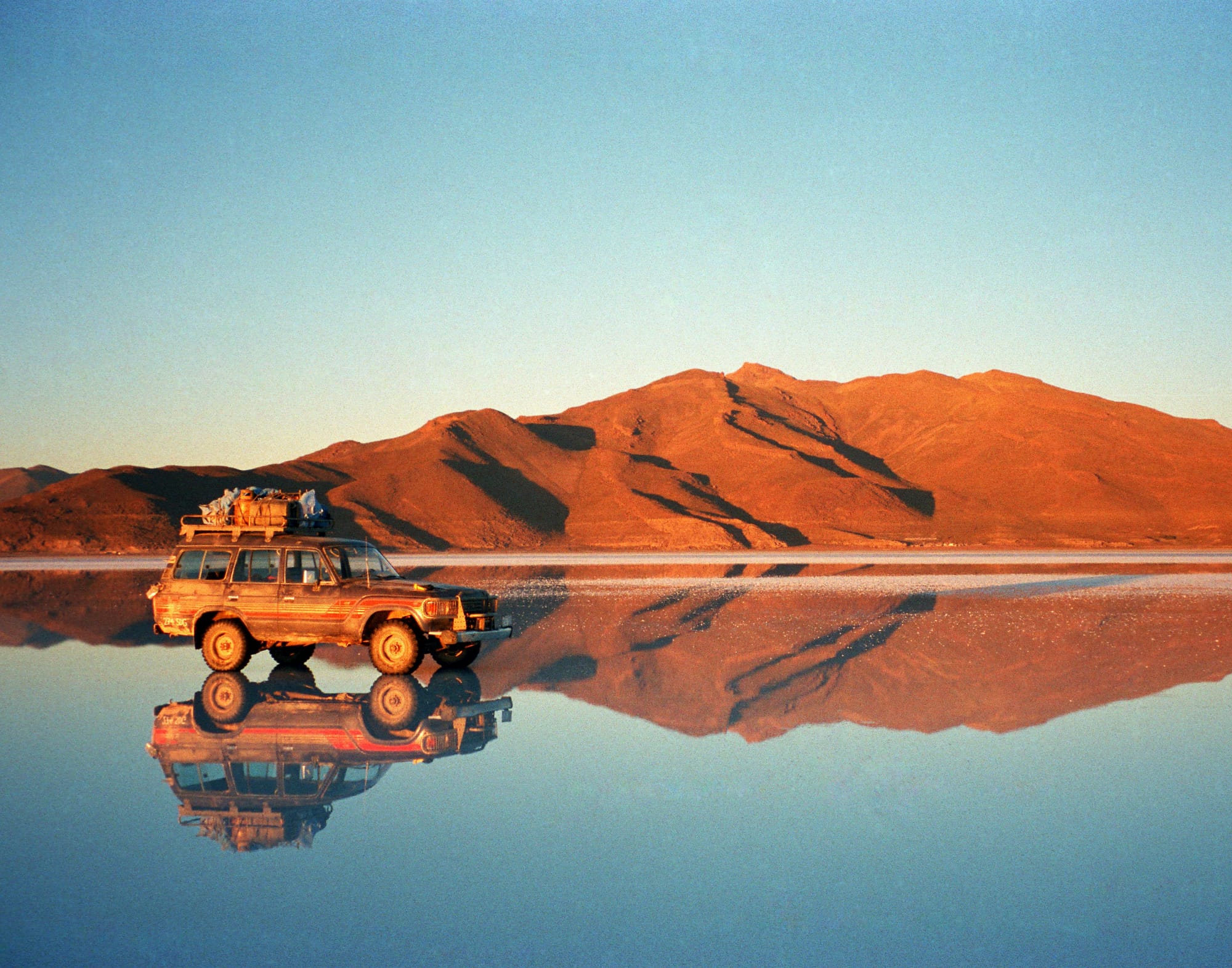
Whether crossing the flats at sunrise for perfectly surreal photography or watching the sky mirror itself endlessly across the water during rainy season, Salar de Uyuni offers a landscape unlike anywhere else on Earth — vast, silent, and almost impossible to fully capture in a single frame.
Visitor Information
Best Time to Visit
December – April for mirror effect; May – November for dry salt flats and easier travel
Location
Daniel Campos Province, Potosí
Region
Potosí Department
Country
Bolivia
Continent
South America
Opening Hours
Open year-round (guided tours recommended)
Admission
Free access; guided tours priced separately
Typical Visit Duration
1–3 days


