Torres del Paine

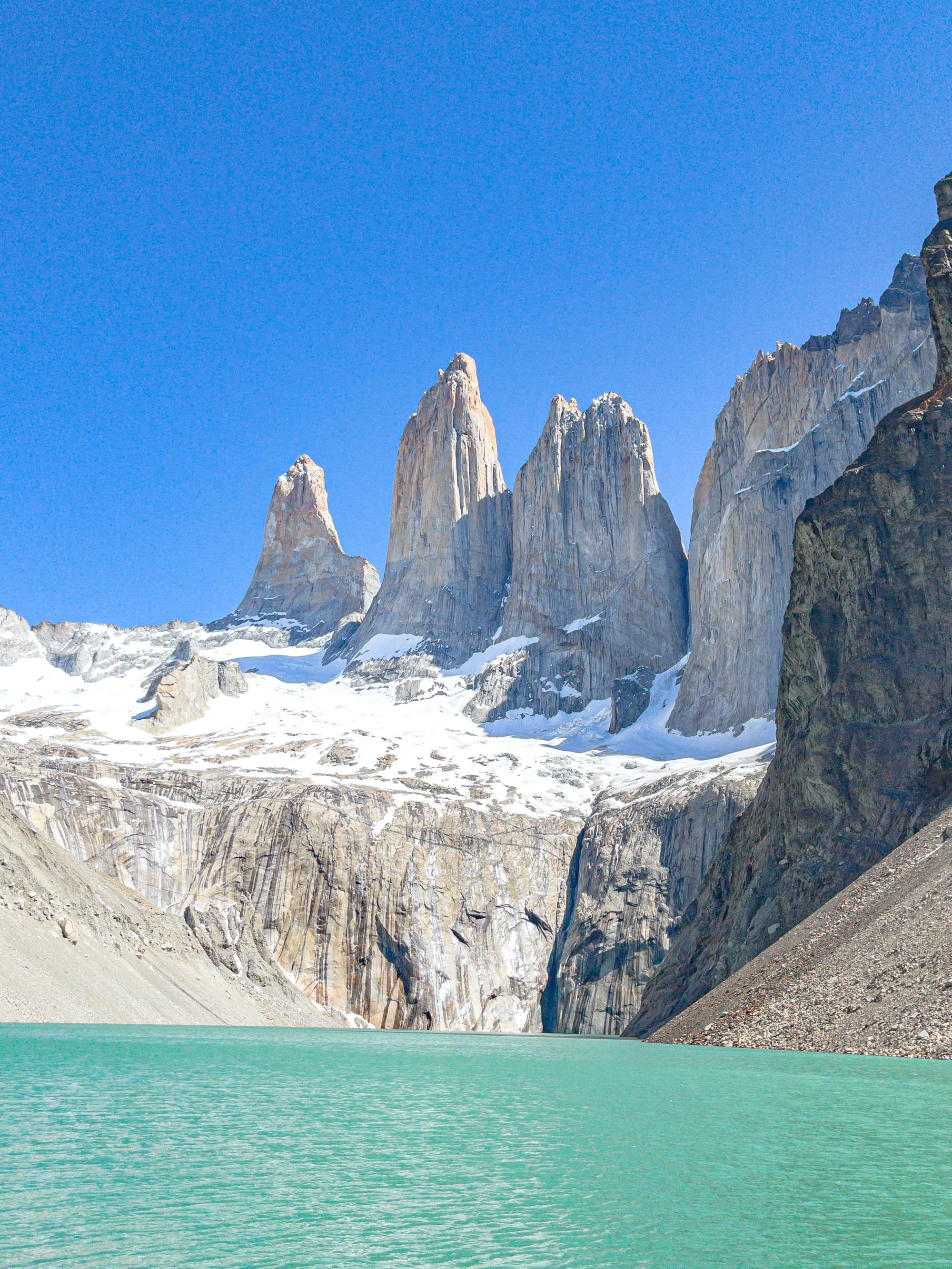
At the southern tip of Chilean Patagonia, Torres del Paine stands as one of South America's most spectacular wilderness landscapes. The park takes its name from three towering granite spires — Torre Sur, Torre Central, and Torre Norte — that rise dramatically over 2,500 meters above the surrounding steppe, formed by ancient volcanic activity and shaped over millions of years by glacial erosion.
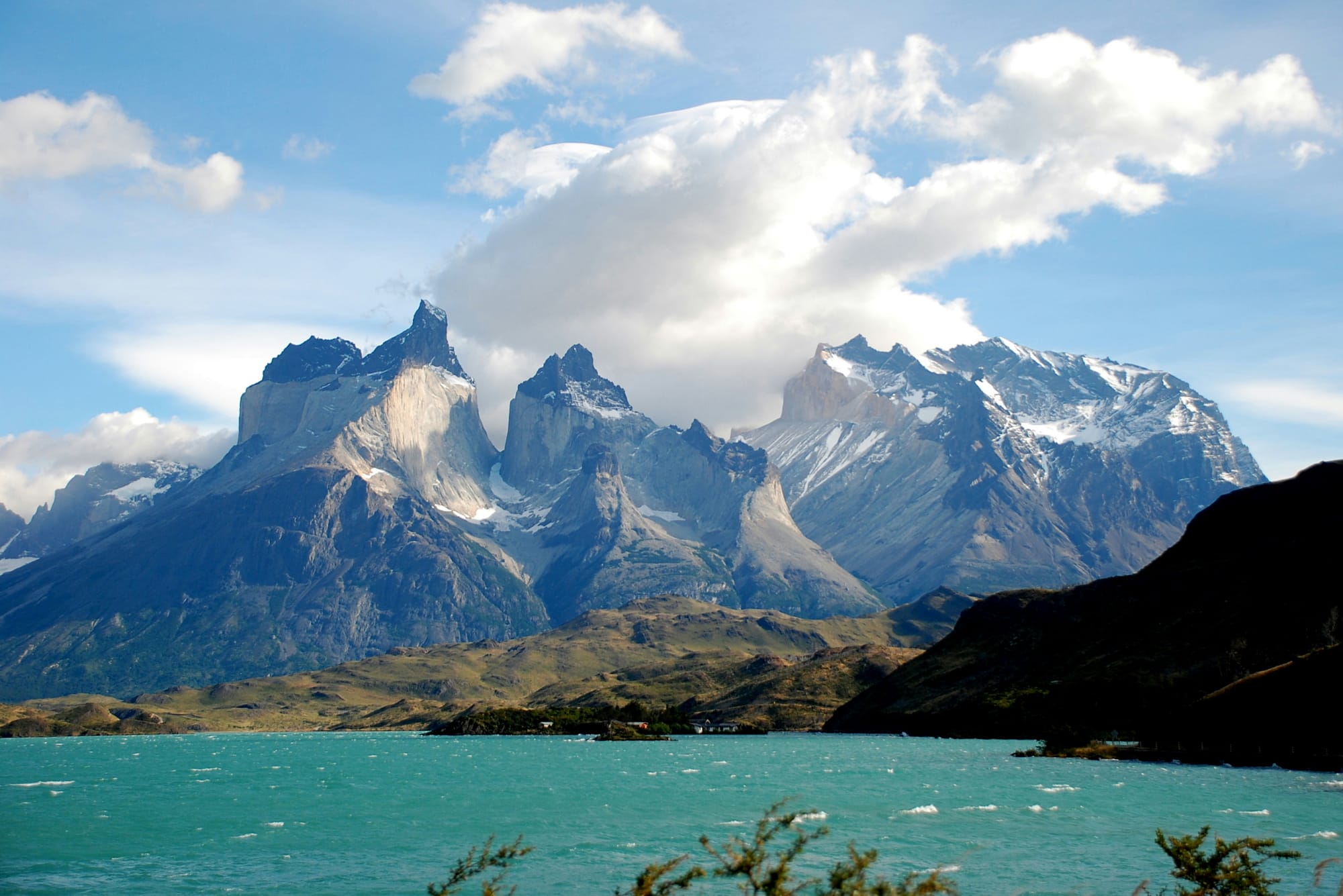
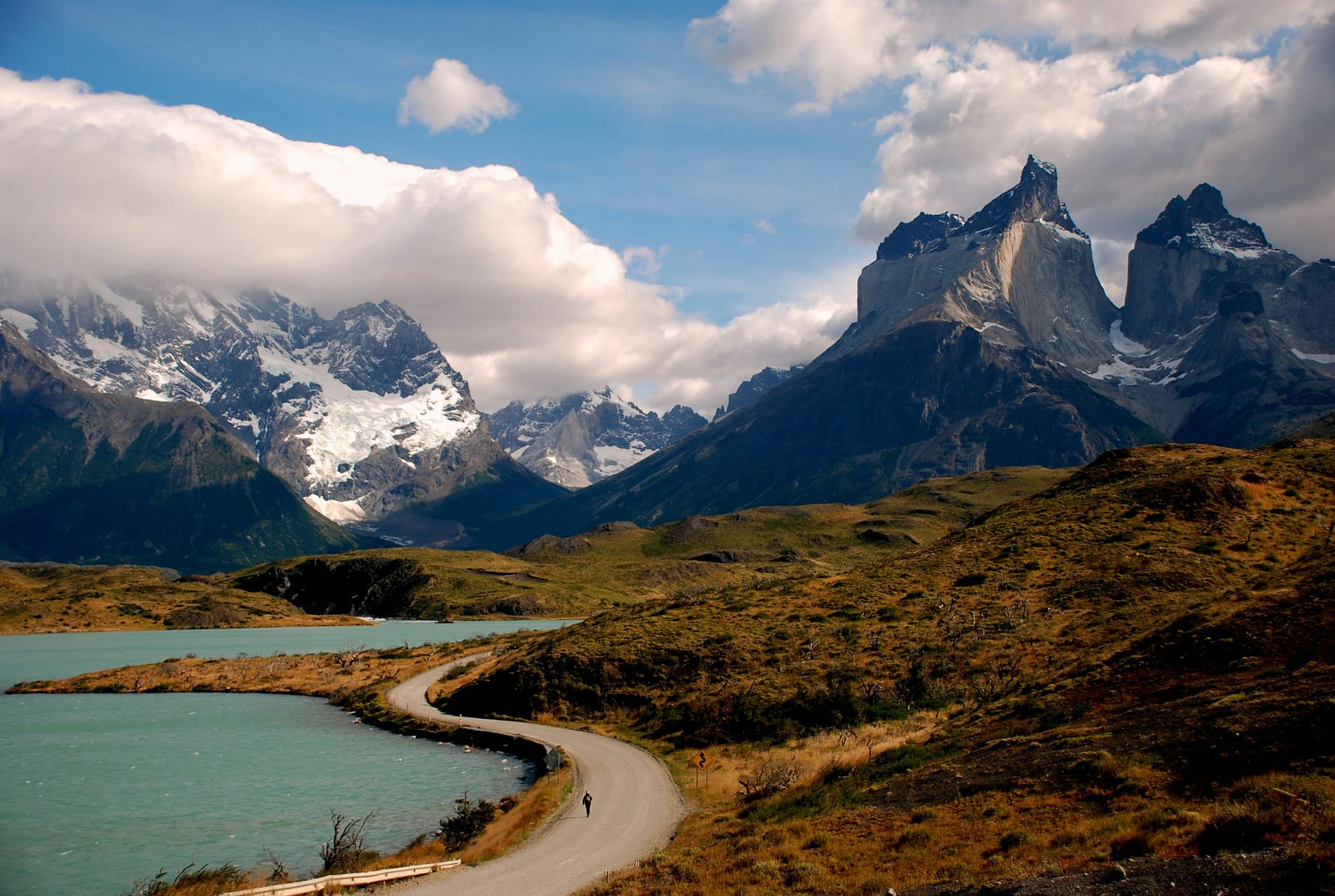
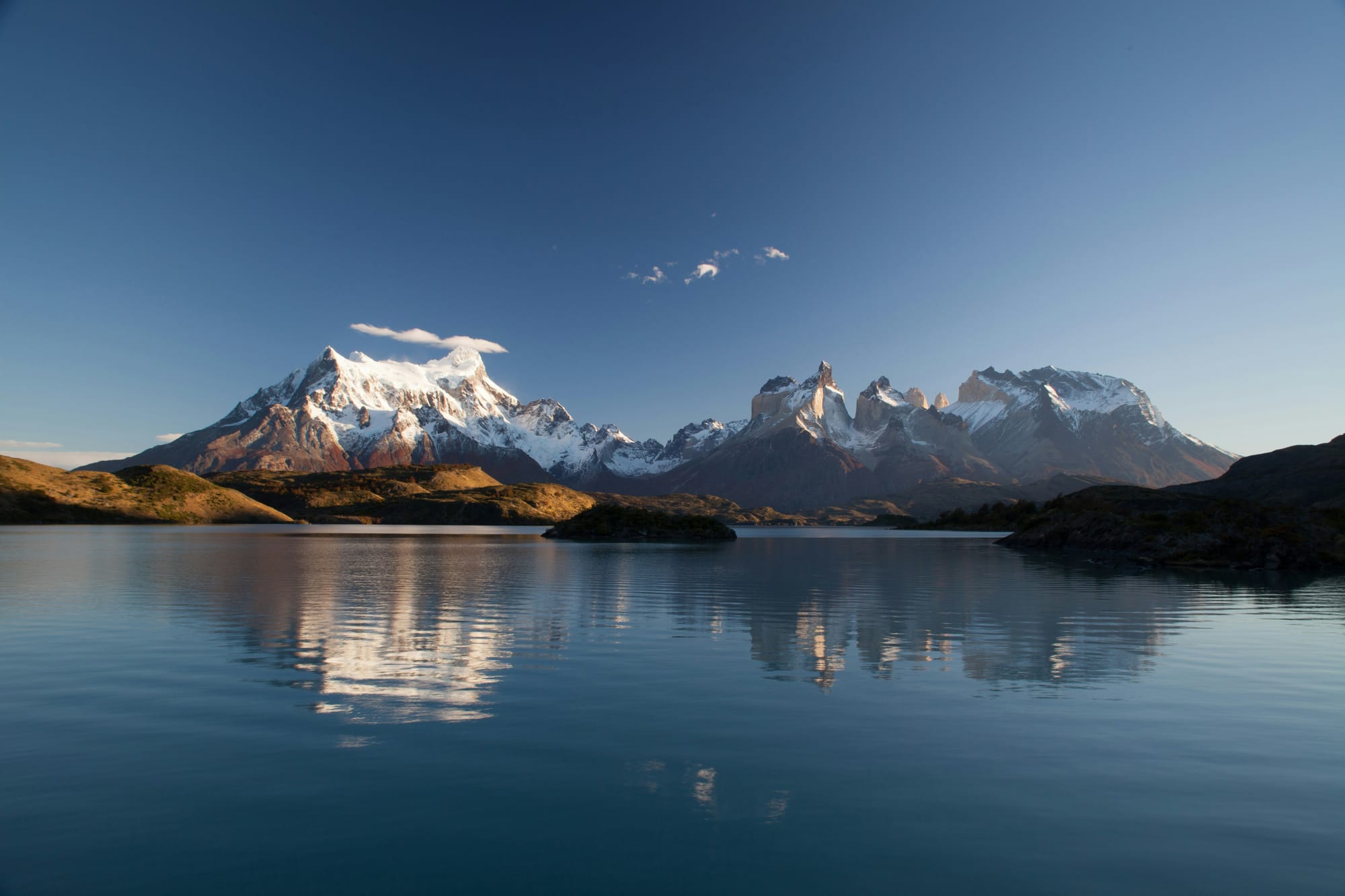
Beyond the iconic towers, the park's centerpiece massif also includes the jagged Cuernos del Paine ("Horns of Paine"), whose distinctive dark granite caps sit atop lighter sedimentary rock, creating one of the most photographed mountain silhouettes in the world. Turquoise glacial lakes, including Lago Pehoé and Lago Nordenskjöld, reflect the peaks in colors so vivid they seem almost artificial.
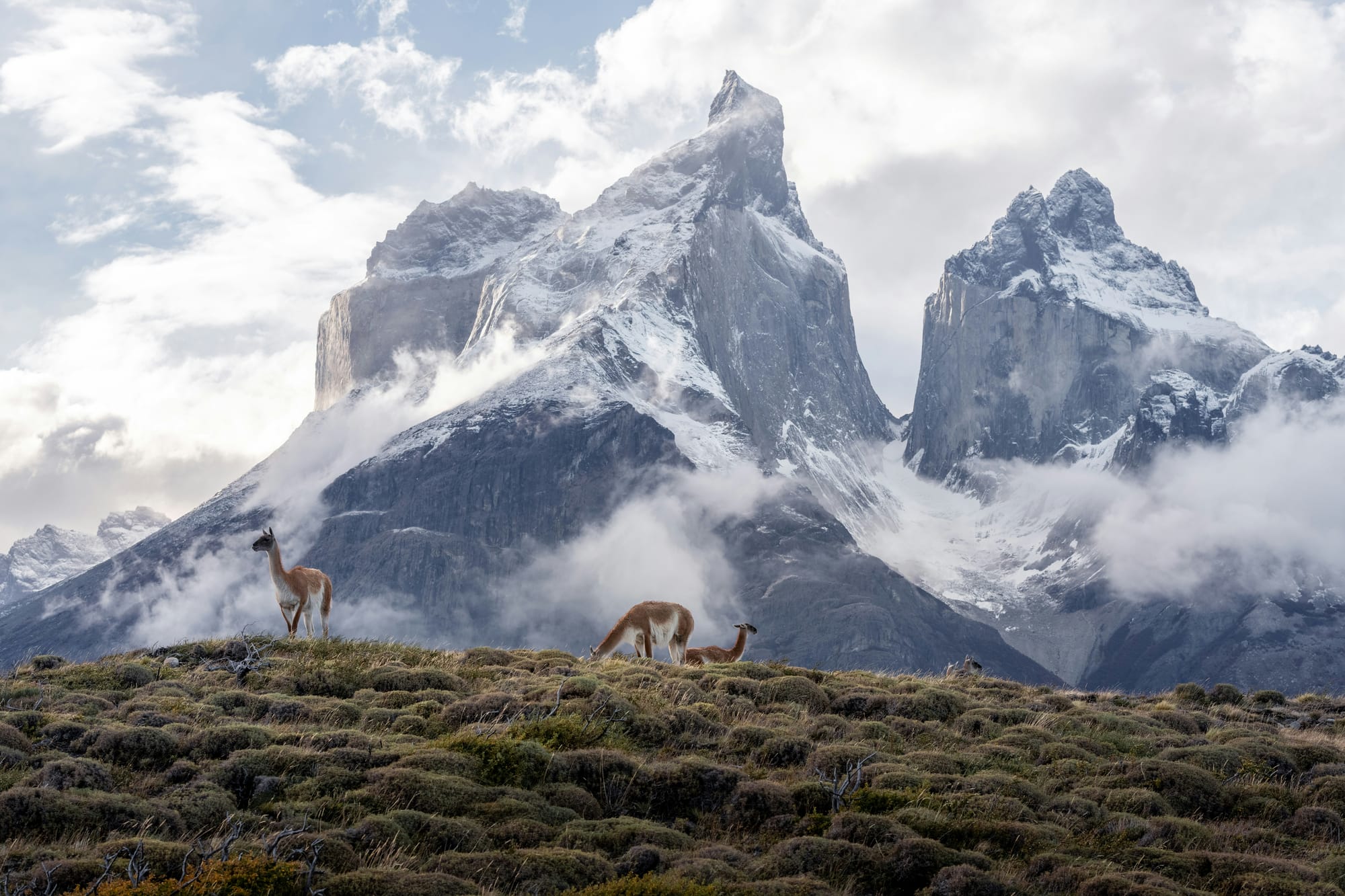
The park sits at the edge of the Southern Patagonian Ice Field, feeding glaciers such as Dickson and Grey, where massive walls of blue ice calve into milky glacial lakes. Wildlife here is equally remarkable, from herds of wild guanaco grazing the open steppe to Andean condors soaring above the peaks, and, for the fortunate few, glimpses of the elusive Patagonian puma.
Multi-day treks like the famous "W" and full "O" circuits allow hikers to traverse the park's valleys, forests, and lakeshores in full, making Torres del Paine one of the premier trekking destinations on Earth for those seeking raw, untouched wilderness at the edge of the world.
Visitor Information
Best Time to Visit
November – March (Southern Hemisphere summer)
Location
Torres del Paine National Park
Region
Magallanes y Antártica Chilena
Country
Chile
Continent
South America
Opening Hours
Park open year-round; visitor centers 8:30 AM – 8 PM (seasonal)
Admission
Park entrance fee required
Typical Visit Duration
3–5 days (multi-day trek recommended)


